

The Riddle of Washpool Gully
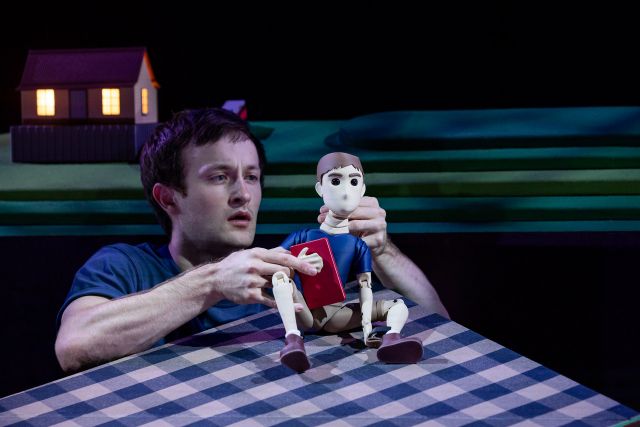
Dead Puppet Society’s The Riddle of Washpool Gully is a gentle, imaginative piece of theatre that reminds us how powerful simple storytelling can be when it is placed in the hands of skilled theatre makers. Presented in the intimate Cremorne Theatre at QPAC, this revival of David Morton’s work unfolds like a story discovered in the pages of a beloved Australian picture book, quietly inviting the audience into a world where forgotten landscapes and mythical creatures still hold their secrets.
The narrative centres on a small Australian town and the long-ignored dry creek bed known as Washpool Gully. As modern development begins to encroach on the landscape, a young boy encounters the legend of something ancient stirring beneath the surface. The tale blends environmental reflection, folklore and childhood curiosity, exploring themes of imagination, loneliness and connection. Morton’s writing has a lyrical warmth that suits the piece beautifully. The story feels intimate and sincere, allowing the audience to settle into its rhythms and rediscover the pleasure of being told a story well.
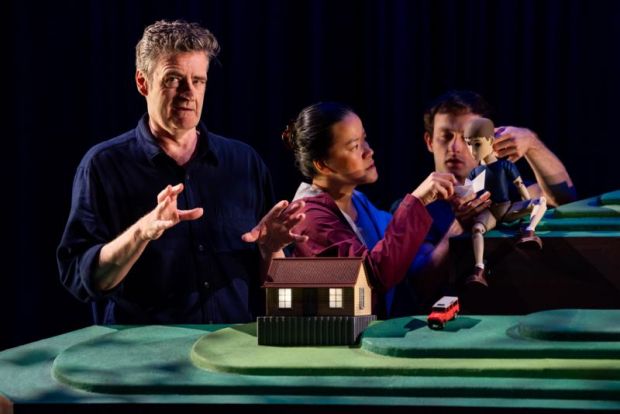
The production is performed by a trio of exceptional actor-puppeteers whose work is nothing short of first rate. As the narrator, Hugh Parker anchors the performance with an engaging stage presence and finely judged storytelling instincts. His delivery balances humour, tenderness and suspense, guiding the audience through the unfolding mystery with effortless charm. Parker’s timing is particularly impressive, allowing the narrative beats to land clearly while maintaining the flow of the piece.
Reagan Mannix, playing the Boy, brings both vulnerability and curiosity to the role. His physical performance integrates seamlessly with the puppetry, creating a believable emotional world for the character while also maintaining the technical precision required for the form. Mannix demonstrates an admirable level of focus and dexterity, ensuring the puppets feel fully alive rather than manipulated objects.
As the Mother, Merlynn Tong delivers a beautifully grounded performance that brings warmth and emotional texture to the story. Tong moves fluidly between acting and puppeteering, demonstrating both sensitivity and technical finesse. Her work contributes greatly to the emotional stakes of the piece and provides some of its most touching moments.
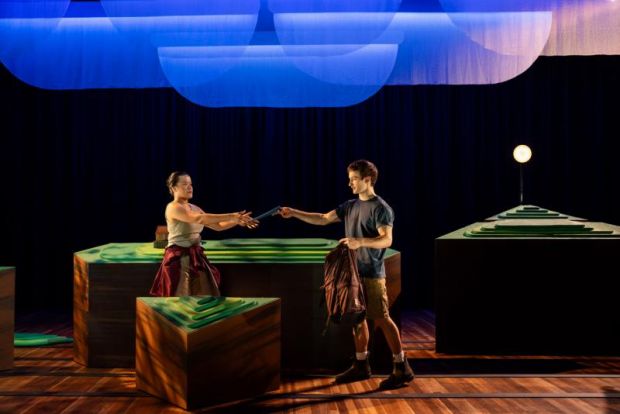
The puppeteering throughout the production is exceptional. Dead Puppet Society has long been known for the ingenuity of its visual theatre, and this production showcases that craft to great effect. The creature and landscapes are wonderfully realised, filled with small details that reward close attention. One particularly delightful touch is the way the puppets’ costumes echo the clothing worn by the performers, subtly linking human and puppet worlds.
The set design, also by Morton, is a constant source of delight. Miniature landscapes slide and glide across the performance space, transforming the environment with elegant simplicity. The movement of these set pieces is cleverly choreographed, creating a dynamic theatrical language that keeps the story visually alive without overwhelming its quiet tone.
Brady Watkins’ sound design, complemented by Heath Brown’s compositions, creates an immersive sonic environment that draws the audience deeper into the landscape of the story. The soundscape is richly atmospheric, supporting both the playful moments and the more poignant emotional beats with sensitivity and precision.
Lighting designer Ben Hughes provides the visual poetry that completes the world. The lighting is carefully timed and beautifully considered, shaping the emotional atmosphere of each scene. Particularly striking are the moments where the clouds are illuminated, creating a dreamlike quality that enhances the production’s sense of wonder.
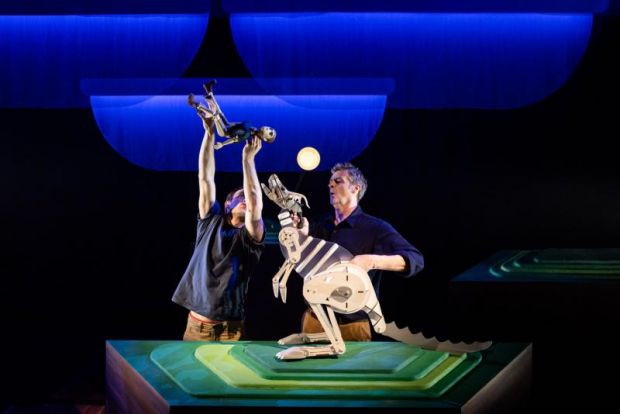
Morton’s direction is imaginative and playful, demonstrating a deep understanding of how visual theatre can engage audiences of all ages. The production never feels overly complicated or technically showy. Instead, it invites the audience to lean in, to watch closely and to rediscover the magic of theatrical illusion.
At just under an hour in duration, The Riddle of Washpool Gully feels perfectly judged. It leaves audiences with a sense of quiet enchantment and a renewed appreciation for the imaginative possibilities of the stage. In an era where spectacle often dominates theatrical storytelling, this production stands as a reminder that carefully crafted artistry, heartfelt writing and skilful performers can still create something truly magical.
The Riddle of Washpool Gully is sweet, inventive and deeply charming. It is a piece that speaks gently yet confidently, inviting audiences of all ages to look again at the landscapes around them and wonder what stories might still be waiting beneath the surface. It’s no wonder it’s been captivating audiences young and old.
Kitty Goodall
Photography by Daniel Boud
Subscribe to our E-Newsletter, buy our latest print edition or find a Performing Arts book at Book Nook.