

Side by Side with Sondheim
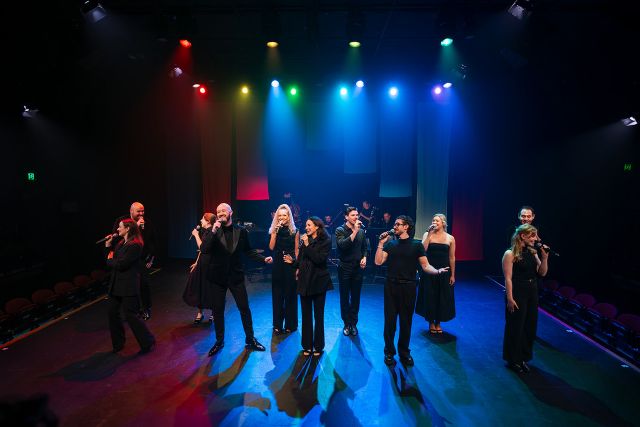
Side by Side with Sondheim is, in theory, a simple proposition. Place a group of highly capable performers in a room with Stephen Sondheim’s songs and let the writing do its work. In practice, of course, there is nothing simple about Sondheim. His material asks for dexterity, emotional intelligence, rhythmic precision, comic nerve, and a willingness to sit inside discomfort. A Night At The Musicals’ rose to that challenge with style. Presented in the Underground Theatre at Brisbane Powerhouse, this was a sharply directed, musically rich, and consistently engaging staged concert that understood the value of intimacy. Nothing was over-inflated. Nothing was hidden. The show trusted the material, trusted the audience, and, crucially, trusted its performers.
The conceit of Side by Side with Sondheim is less about plot than perspective. Drawing songs from across Sondheim’s catalogue, the evening was a mosaic of modern unease, longing, social performance, brittle wit, and flashes of hard-won tenderness. Numbers from Company, Into the Woods, Sweeney Todd, Sunday in the Park with George and elsewhere sat alongside one another as little chambers of thought and feeling. That structure can sometimes feel museum-like in less nimble hands, but director Alex Watson and musical director Michael Keen shaped the evening with enough momentum and clarity that it never felt like a parade of greatest hits. The transitions between numbers were tight, the tonal shifts well judged, and the cumulative effect was of a work with its own internal rhythm rather than a mere anthology.
One of the evening’s great strengths was its teamwork. This was an ensemble in the truest sense, not a collection of soloists politely taking turns. The large group numbers were especially impressive, with imaginative arrangements and harmonies that built a thrilling wall of sound without sacrificing textual clarity. The live band made an enormous difference. Sondheim needs elasticity, colour and danger, and the musicians supplied all three. The score breathed in a way no backing track could manage, giving the performers something living to lean against and play with. Keen’s arrangements were inventive and theatrically alert, while the choreography and staging kept the eye engaged without fussing over the music. The movement supported the narrative and emotional shape of each song, rather than competing with it, which is a rarer virtue than it should be.
Among the principals, Courtney Monsma brought a lovely stage presence, with an expressive face and voice that drew the audience in. Her emotional work was finely judged, and her singing had the sparkling clarity one associates with her best performances, supported by crisp diction, versatility and gleaming upper notes. Her vibrato on sustained phrases found its most satisfying home in Side by Side, where it added warmth and shimmer rather than excess decoration. Erica Wild was the undeniable scene-stealer of the night. She has that rare quality of making precision look spontaneous. Her performance combined fantastic vocal command with vivid acting, generous energy, and charisma to spare. She was excellent in the serious material, but in comedy she was positively electric, displaying razor-sharp timing, playful intelligence, and the kind of stage assurance that makes an audience lean forward. James Shaw offered some of the evening’s most confident and controlled work. There is something suave and grounded about his stage manner, with just enough edge to suggest danger, and that quality served both Epiphany and Could I Leave You particularly well. Vocally, he was very strong, with a beautiful sound and a capacity to be moving while still allowing dry humour to glint through.
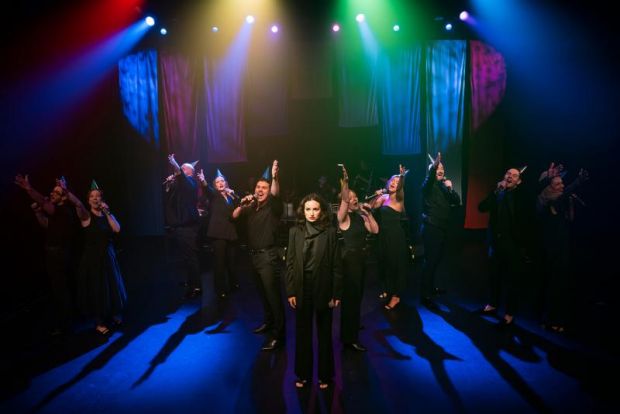
Jordan Koulos brought a light, unjaded openness to his performance style, which gave his work an appealing honesty. Most comfortable in the comedic material, his Finishing the Hat was among his strongest moments. Renae Suttie contributed warmth, power, musical assurance, and excellent ensemble instincts, particularly in the more harmony-rich passages. She was strong throughout, but The Ladies Who Lunch showed her to especially good effect, balancing bite with entertainment value. Sarah Morrison delivered beautifully observed work full of nuance and restraint. She has the gift of allowing emotional depth to reveal itself gradually, rather than announcing it too early, and that gave her performances a lived-in, deeply felt quality. She is also a deft comedian, which made her shifts into more tender and hesitant territory all the more affecting. Lachlan Greenland’s style carried a touch of old Hollywood polish, but without becoming mannered. He performed with confidence and discipline, proving himself a versatile all-rounder, and his thoughtful interpretation of Losing My Mind was one of the evening’s highlights.
The supporting quartet did far more than simply fill out the sound. Josh Whitten combined vocal prowess with a strong physical performance style, showing an instinct for both comic and tragic colouring. Laura Garrick was a particular standout, bringing beautiful vocals, a compelling stage presence and a bright burst of energy whenever she appeared. Her commitment to the comic work was especially enjoyable, and she performed with a joy that was infectious rather than overplayed. Liam J. O’Byrne contributed lovely dulcet tones and a lyrical quality to the ensemble sound, while also projecting easy charisma and charm. Paige McKay added real personality through expressive stagecraft, commitment and skill, and proved consistently watchable. Her charisma reads clearly even in group moments, which is a considerable asset in a work built on shifting focus and shared storytelling.
So many numbers were outstanding, to name a few, A Little Priest was deliciously shaped, allowing wit and precision to do the heavy lifting. Somewhere offered a change of texture and emotional register, while Sunday and Sunday in the Park with George material more broadly reminded the audience of Sondheim’s ability to make stillness feel monumental. You Could Drive a Person Crazy had bite and buoyancy, Gotta Get a Gimmick was delivered with risk taking and relish, Little Things You Do Together snapped with recognisable social comedy, and both The Ladies Who Lunch and Could I Leave You benefited from performers willing to let their barbs draw blood. These songs require more than technical accomplishment. They need performers and creatives who understand that elegance and cruelty, humour and sadness, often sit in the same bar of music. This production understood that very well.
Watson’s direction was intelligent and well calibrated, keeping the visual world active and responsive without imposing a concept that would flatten the songs’ individuality. Side by Side with Sondheim embraced the demands of the work rather than trying to soften them. It was high-quality, thoughtful and musically satisfying theatre-making from a company that continues to prove it can match polish with substance. This production offered wit, discipline, emotional acuity, and the pleasure of hearing skilled artists trust complicated material to speak clearly for itself.
Kitty Goodall
Photography by @bybrit.creative
Subscribe to our E-Newsletter, buy our latest print edition or find a Performing Arts book at Book Nook.