
Opera In the Classroom
In a screen driven world, Nathan Gilkes* reflects on how opera can be a powerful learning tool.
At the beginning of almost every Opera Australia education workshop in 2025, we asked students a simple question: What’s the first thing you think of when you hear the word “opera”?
The answers were brilliant:
“Singing REALLY high notes.”
“Breaking glass with your voice.”
“Old people”
They weren’t wrong — but they also weren’t seeing the full picture yet.
At its heart, opera is a story told through music. Unlike a musical, where the dialogue often leads, in opera the music is the engine of the story. It shapes the emotion, pace and meaning.
It also lets us hear what is really happening under the surface. It’s this inherent poetry — a way of holding language, sound and feeling together — that invites imagination first, and explanation later.
Opera is not just spectacle or fantasy; It grapples with serious, complex human experiences. Cio‑Cio-San in Madama Butterfly knows heartbreak and abandonment, while Carmen understands desire, jealousy and the threat of male violence.
These are not outdated emotions — many young people recognise them instantly. Opera does not shy away from such feelings. It lingers with them, explores them and gives them voice.
This is one of opera’s great strengths as an educational tool. Students can experience love, grief, fear, joy and hope within a supported, shared environment. The ability to recognise, express and manage emotions is increasingly vital to wellbeing and learning, helping to build emotional literacy, understanding and resilience.
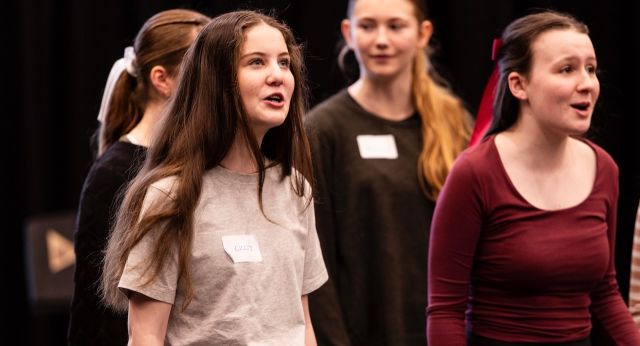
In 2025 Opera Australia’s Education, Learning and Participation (ELP) program worked with students and teachers across the country and invited them into creative processes rather than presenting opera as something to be observed from a distance.
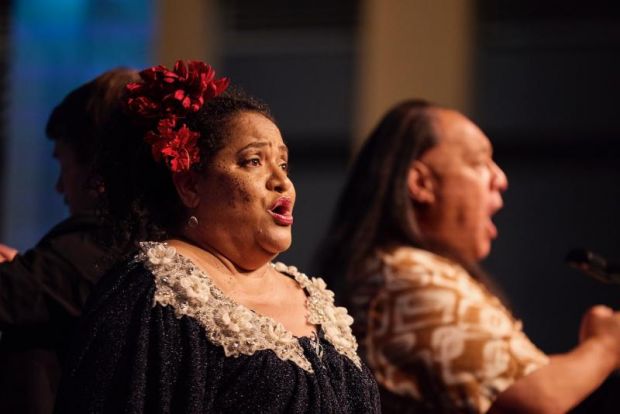
Our program included songwriting exchanges with First Nations young people in Tennant Creek and Alice Springs, opera writing intensives with high school students in Geelong, and Yumi Bung Wantaim: Songs of Gathering — a community concert bringing Pasifika community choirs together with the Opera Australia Orchestra.
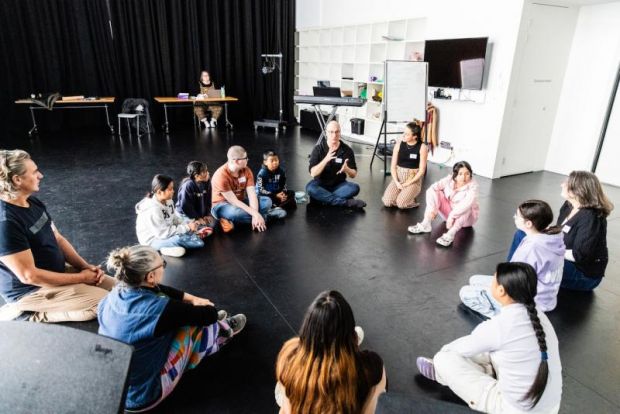
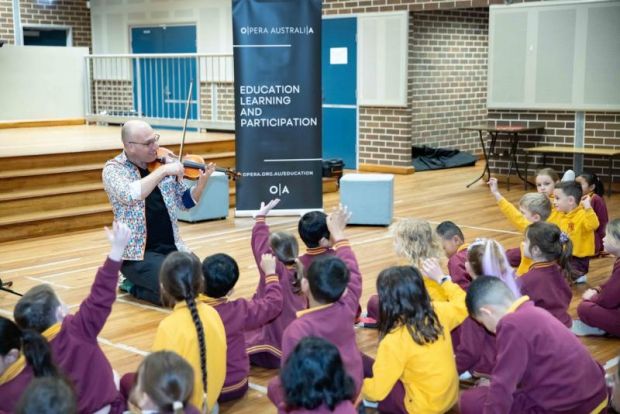
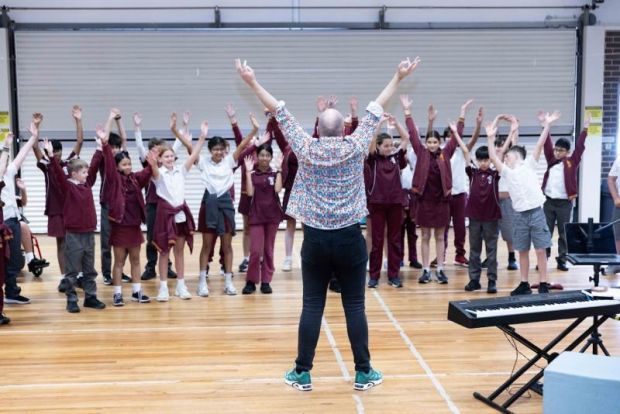
We reimagined work experience for Year 10 students and welcomed primary school students into the Opera Centre in Sydney for Opera in a Day, where they sang, created, and explored behind the scenes of a working opera company.
Students brought their own musical languages, stories and identities into the creative process. Opera did not replace local forms of expression; it expanded to include them.
By the end of workshops, students who initially thought opera was “not for me” were saying things like, “I didn’t know this was opera,” or simply, “I want to do that again!”
Teachers know that learning increasingly happens through experience, not just instruction. You are asked to nurture creativity and collaboration while supporting student wellbeing in a fast, screen-driven world. In this context, arts education can sometimes feel like an optional extra — yet it may be one of the most effective tools we have.
In this context, arts education can sometimes feel like an optional extra — yet it may be one of the most effective tools we have.
Opera makes sense in schools because it combines many artforms at once: music, language, storytelling, movement, design and collaboration. It rewards listening closely, working together, and sitting with complexity.
In 2026, Opera Australia will expand student and teacher voices even further. Regional programs in Victoria and New South Wales will connect with our national tour of Don Giovanni, alongside new creative exchanges, workshops and educator resources designed to make opera accessible in classrooms of all kinds.
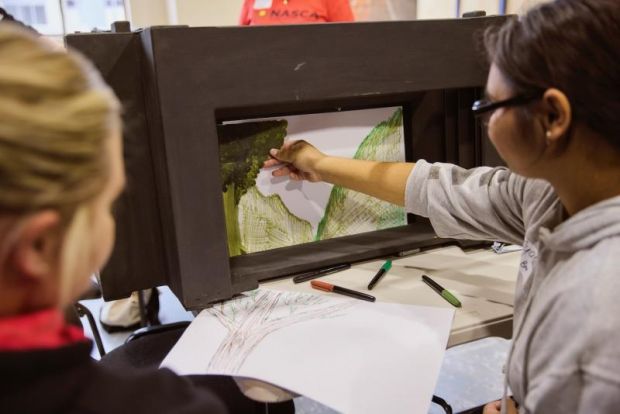
There is also a growing collection of free online education resources linked to our productions, making it easier than ever to build opera into your teaching — whether through music, English, drama, history or wellbeing.
We are still, in many ways, answering the question: Why should we care about opera? Our answer is simple. Opera is for everyone, and it's about everyone. It is a powerful way to learn, to feel and to belong.
We love it — and we think, if you give it a try, you will too.
Nathan Gilkes is a Helpmann award-winning composer and educator, and the Head of Education, Learning and Participation at Opera Australia